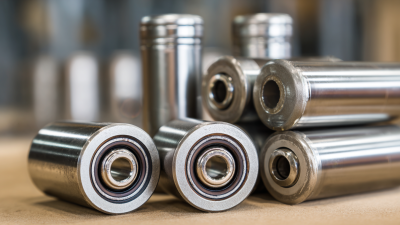
When you're diving into precision engineering, Needle Bearing components are honestly pretty important. Even though they’re tiny, they do a lot by reducing friction between moving parts, which really boosts how well the machine runs. If you’re buying these from around the world, it’s super helpful to get a handle on how to pick the right Needle Bearing — it's not always straightforward.
Figuring out where to buy can be overwhelming, for sure. There are tons of manufacturers out there offering different qualities, sizes, and materials. Not all Needle Bearings are the same, though — small differences can make a big difference in how well they perform. So, it’s a good idea to think about what exactly you need, like load capacity or specific operating environments.
And hey, quality matters a lot. Working with trusted suppliers can save you from ending up with a dud product. It’s worth taking a close look at specs, certifications, and reviews. Don’t forget to consider the experiences of other buyers — that can really help you make smarter choices. Keeping an open mind when it comes to sourcing options can go a long way in making sure you get the best Needle Bearings for your project.
Needle bearings are essential components in machinery. They reduce friction and provide high radial load-carrying capacity. Understanding their definition and applications can greatly benefit global buyers.
These bearings comprise thin cylindrical rollers. They are perfect for applications requiring high speed and compact design. Industries like automotive, aerospace, and manufacturing heavily rely on them. Properly selecting needle bearings can enhance performance and longevity.
Here are some tips for buyers. Always check the load ratings. Ensure they match your application requirements. Consider the operating conditions, such as temperature and speed. Proper lubrication is vital for optimal performance. Lastly, keep an eye on maintenance schedules to avoid premature failure.
Knowing these aspects aids in making informed decisions. This will help in achieving better efficiency and product reliability.
When sourcing needle bearings globally, buyers must prioritize a few important factors. Material quality is crucial. Stainless steel and chrome steel are popular choices due to their durability. Ensure that the materials meet industry standards to prevent premature wear. Buyers should look for suppliers with a proven track record in manufacturing these components.
Another factor to assess is the supplier's production capabilities. Automation can enhance precision. However, manual inspection still holds value in quality assurance. It can catch defects that machines may miss. It’s important for buyers to request samples before committing to bulk purchases. This step can reveal inconsistencies.
Understanding lead times and shipping logistics is equally vital. Delays can impact production schedules significantly. Some suppliers may offer expedited shipping, but at a higher cost. Always clarify these details upfront. Lastly, consider the supplier's communication style and responsiveness. Clear communication can make sourcing smoother, helping to avoid misunderstandings.
Needle bearings play a critical role in various machinery. The materials used in their production greatly affect performance and longevity. Common choices include steel, ceramics, and polymers. Each material offers different benefits and drawbacks.
Manufacturing processes in needle bearing production require precision. Techniques like forging, machining, and heat treatment are vital. Forging enhances strength but can be costly. Machining ensures accurate dimensions, yet it may waste materials. Heat treatment improves hardness but can introduce stress. Buyers must weigh these factors carefully.
Reflecting on sourcing decisions is essential. Are the cost-saving methods actually yielding reliable products? Understanding the implications of material selection is crucial. Each choice affects not only performance but also repairability. In the end, quality should remain a priority, even amid price pressures.
When selecting needle bearings, understanding quality standards is vital. Various organizations establish these certifications to ensure reliability and performance. The American Society for Testing and Materials (ASTM) outlines protocols for testing the hardness and surface quality of bearings. Adhering to these standards enhances comprehension of a bearing’s operational limits.
Data from industry reports, such as those from the International Organization for Standardization (ISO), show that over 30% of bearing failures arise from poor quality. This highlights the importance of choosing bearings that meet recognized standards. ISO 9001 certification indicates a company’s commitment to quality management. When buyers opt for ISO-certified manufacturers, they reduce the risk of premature failure.
Buyers must also consider regional certifications. For instance, European norms emphasize stringent testing for various environmental conditions. However, many manufacturers may not fully comply with these standards, creating a gap between expectations and reality. Vigilance in finding certified suppliers can mitigate risks associated with subpar products.
| Dimension | Standard/Certification | Description | Importance |
|---|---|---|---|
| Material | ISO 9001 | Quality management systems for manufacturing processes. | Ensures consistent quality and safety of products. |
| Load Capacity | DIN 620 | Standard for metric needle bearings load capacities. | Critical for assessing bearing performance under stress. |
| Radial Play | ABEC 1-9 | Tolerances for precision bearings. | Affects precision in applications requiring high accuracy. |
| Lubrication Type | NLGI | Standard for lubricant consistency. | Affects performance and lifespan of bearings. |
| Surface Finish | SAE 8740 | Standard for surface finish applicable to bearing rods. | Improves wear resistance and performance. |
Navigating the global landscape of needle bearing procurement requires a strategic approach. Buyers should focus on cost optimization strategies. Understanding the supply chain is crucial. Many suppliers offer different pricing structures, so researching options pays off.
One effective strategy involves bulk purchasing. Ordering larger quantities can lower unit prices. However, consider storage costs and inventory management. It's a balancing act. Another tactic is to negotiate terms with suppliers. A strong relationship can lead to better pricing and terms. Re-evaluate contracts regularly. Markets fluctuate and so do prices.
Quality should not be sacrificed for cost. Always assess the performance and reliability of the bearings. Cheaper products may lead to higher maintenance costs. This can offset initial savings. Seek feedback from industry peers. Their experiences can guide smarter buying decisions. Ultimately, a thoughtful approach to procurement will minimize costs while ensuring product quality.
In the global market, needle bearing procurement presents unique challenges for buyers. A key issue is the variability in quality across suppliers. According to a recent industry report, nearly 30% of needle bearings do not meet required specifications. This inconsistency can lead to operational failures and increased costs. To address this, buyers must establish rigorous quality control processes. They should invest in supplier audits and certifications to ensure compliance with industry standards.
Another challenge is lead time unpredictability. Delays in delivery can significantly disrupt production schedules. A study highlighted that over 40% of manufacturers experience supply chain disruptions due to late shipments. Buyers can mitigate this risk by diversifying their supplier base. Working with multiple suppliers ensures that operations remain uninterrupted even if one source fails.
Cost management also remains a critical concern. While lower-priced options are tempting, they may compromise quality. A report from an industry association indicates that 35% of purchased low-cost needle bearings resulted in higher long-term expenses due to replacements. Balancing cost with quality is essential for sustainable procurement strategies. Buyers need to conduct a total cost of ownership analysis beyond initial pricing.
The needle bearing market is evolving rapidly, driven by technological advancements and changing global demands. Analysts expect a compound annual growth rate (CAGR) of 5.5% from 2023 to 2030. The increasing use of automation in industries is a primary factor behind this growth. Moreover, the automotive and industrial machinery sectors are projected to dominate the market, representing over 60% of needle bearing applications.
As trends shift, manufacturers are focusing on improving bearing materials and design. The emphasis is on lightweight yet durable materials, which can enhance performance. Improved lubrication technologies are also gaining attention. These innovations support longer service life and reduced maintenance needs. However, it is crucial for buyers to remain aware of quality control issues that may arise. Not all suppliers maintain the same standards, which can lead to variability in product performance.
Indeed, the demand for higher precision and reliability may lead to increased costs. Buyers must weigh the trade-offs between price and quality. While some suppliers might offer cheaper alternatives, these may not meet the necessary specifications. Engaging with knowledgeable suppliers can mitigate risks. Collecting feedback from industry peers also plays a vital role in making informed choices. This complex landscape requires buyers to adapt and stay informed to optimize their procurement strategies.
Optimizing the performance of auto gearboxes is critical in enhancing vehicle efficiency and longevity. A comprehensive examination of needle roller bearings reveals their significant role in this optimization process. Unlike traditional roller bearings, needle roller bearings feature cylindrical rollers that are long and slender, offering a unique advantage in applications where space is a premium. Their design allows for a high load-carrying capacity while maintaining a compact profile, making them ideal for modern auto gearboxes where weight and size constraints are vital.
Recent industry reports highlight that needle roller bearings can effectively handle dynamic loads and reduce friction in high-speed operations. For instance, the efficiency improvements observed in engines equipped with these bearings can result in fuel savings of up to 5%, a critical consideration for manufacturers aiming to meet stringent emissions regulations. Furthermore, with advances in materials and manufacturing processes, the durability and reliability of needle roller bearings have increased, ensuring they can withstand the demanding conditions of automotive applications.
In terms of performance metrics, the reduction in rolling resistance provided by needle roller bearings can enhance torque transfer efficiency by up to 10%, according to data from industry studies. This is particularly beneficial in enhancing the overall performance of automatic gearboxes, where timely and precise power delivery is crucial. As the automotive industry continues to evolve towards more compact and efficient designs, the optimization capabilities offered by needle roller bearings will undoubtedly play a pivotal role in the future of automotive engineering.
: Needle bearings are typically made from steel, ceramics, and polymers. Each material has its advantages and disadvantages.
Proper lubrication is vital for reducing friction and enhancing performance. It helps prolong the life of the bearings.
Always check the load ratings. Match them to your application needs. Evaluate the operating conditions carefully.
Common processes include forging, machining, and heat treatment. Each process affects the quality and cost of the bearings.
Look for quality certifications like ISO 9001. These indicate adherence to quality management and performance standards.
Poor quality can lead to bearing failures. Reports show over 30% of failures occur due to substandard products.
No, some manufacturers may not fully comply with certifications. This can lead to gaps between expectations and reality.
Material choice affects strength, durability, and repairability. It's crucial to reflect on how this impacts performance.
Different regions have specific environmental norms. These norms influence the testing and reliability of needle bearings.
Reflect on whether cheaper methods yield reliable products. Quality should be a priority, despite price pressures.
The article "Essential Needle Bearing Tips for Global Buyers Looking to Optimize" provides a comprehensive overview of needle bearings, focusing on their definition, applications, and significance in various industries. It highlights key factors to consider when sourcing needle bearings globally, such as material selection and manufacturing processes, which are crucial for quality and durability. The discussion also covers important quality standards and certifications that buyers should be aware of to ensure reliable procurement.
Furthermore, the article offers cost optimization strategies for global needle bearing purchases, addressing common challenges faced during procurement and suggesting practical solutions. Lastly, it explores future trends in needle bearing technology and market demand, giving buyers insights into upcoming innovations and shifts in the industry. Overall, this guide serves as a valuable resource for global buyers aiming to enhance their needle bearing purchasing strategies effectively.