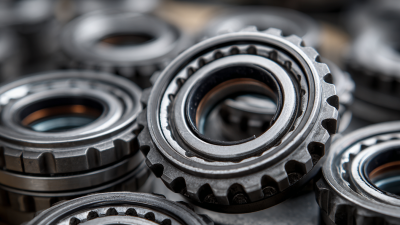
Car bearings — yeah, those tiny parts you probably don’t think about much — are actually super important for making your vehicle run smoothly. I came across a report from Grand View Research that said the worldwide market for automotive bearings was worth around $13.5 billion back in 2020, and honestly, it’s expected to grow a lot. That just shows how big of a deal these little components really are, and why it’s worth understanding how they work.
Basically, car bearings help reduce friction between the moving parts in your vehicle. They let your wheels turn freely while also supporting the weight of your car. If your bearings are in good shape, your ride feels safer and runs better overall. But if you ignore the signs of wear and tear, things can get pretty serious — like increased fuel use, or worse, accidents.
Lately, companies like SKF and Timken have been putting a lot of money into developing better, longer-lasting bearing tech. They’re all about making them more durable and efficient. But here’s the thing — a lot of car owners tend to overlook routine maintenance on these parts. That can lead to some pretty costly repairs down the road. Even though bearings are small, they play a huge role in how your car performs. So, understanding them is actually pretty important if you want to keep your car running smoothly and safely.

What is a Car Bearing?
Car bearings are essential components in a vehicle's wheel assembly. They allow the wheels to spin smoothly around the hub. When you drive, the bearings help reduce friction and support the weight of the vehicle. A well-functioning bearing enhances performance and longevity.
Typically, car bearings consist of inner and outer rings, rollers, and a cage. The rollers are positioned between the rings, allowing them to rotate freely. If these bearings wear out, the ride becomes noisy and unstable. This can lead to more serious issues over time. Drivers should pay attention to any unusual sounds that might indicate a problem.
Many people overlook the importance of regular maintenance for these parts. Ignoring signs of wear can result in costly repairs. It’s a simple part, yet crucial for safe driving. A detailed understanding of how bearings function can aid in better vehicle care. You might find that inspecting them occasionally pays off in the long run.
Types of Car Bearings
Car bearings play a crucial role in vehicle performance. There are several types of car bearings, each serving a specific function. Wheel bearings are among the most common. They help the wheels rotate smoothly. Without them, friction would cause excessive wear.
Another type is the engine bearing. This component reduces friction between moving parts in the engine. It ensures that the crankshaft operates efficiently. Poor maintenance may lead to engine failure. It’s vital to check these bearings regularly.
Transmission bearings also deserve attention. They help the transmission system function properly. Over time, they can wear out, affecting gear shifting. This can lead to performance issues. Often, drivers overlook these parts. Regular inspections can save money in the long run.
Components of a Car Bearing
Car bearings play a vital role in vehicle performance. They reduce friction between moving parts. Understanding their components is essential for maintenance. The primary components include the
outer race,
inner race,
rolling elements, and
cage. The outer and inner races are crucial for holding the rolling elements in place. The rolling elements, often balls or rollers, allow smooth rotation.
The cage separates the rolling elements to keep them uniformly spaced. This design minimizes wear and tear, enhancing the bearing's lifespan. According to industry reports, well-maintained car bearings can last up to 100,000 miles. However, factors like load and lubrication can affect longevity.
Tips: Regularly check for unusual noises during driving. These could indicate bearing issues. Early detection can save on costly repairs. Inspecting the bearing grease is also vital. Contaminated grease can lead to premature failure. Remember, maintaining your car isn't just about performance; it's also essential for safety. Neglecting small issues can lead to larger problems. Always prioritize your vehicle's components.
How Car Bearings Function
Car bearings play a crucial role in a vehicle's operation. They support the rotation of the wheels and reduce friction between moving parts. When driving, the friction produced can lead to wear and tear. According to industry reports, up to 30% of a car's energy can be consumed by friction in the drivetrain. This means that effective bearing function is essential for efficiency.
The function of car bearings is straightforward yet vital. Essentially, they act as a cushion. They ensure smooth rotations for wheels, axles, and other components. A high-quality bearing enables efficient power transfer. However, not all bearings are created equal. Poor installation or low-quality materials can hinder performance. In some studies, about 15% of vehicle malfunctions are linked to bearing failure, leading to unsafe driving conditions.
Preventive maintenance is key to prolonging bearing life. Routine checks can significantly reduce costs associated with replacements. Studies indicate that maintaining proper lubrication can extend bearing life by 50%. Yet, many car owners overlook this. It’s essential to remember that a small oversight can result in larger issues down the road. Regular care helps ensure that bearings function properly, maintaining safety and efficiency.
Signs of Worn or Damaged Bearings
Car bearings play a crucial role in your vehicle's performance. They reduce friction between moving parts, allowing for smooth operation. However, over time, bearings can wear down or become damaged. It's vital to recognize the signs of these issues to prevent further complications.
Signs of worn bearings include unusual noises. You may hear grinding, squeaking, or rumbling sounds when driving. These noises indicate that the internal components may be failing. Vibrations in the steering wheel or vehicle body can also signal bearing trouble. If you notice any of these symptoms, take action. Delaying repairs could lead to more significant damage and expensive fixes.
Tips: Regular maintenance is essential. Check your bearings during each service. Look for leaks in the lubrication system. Ensure seals are intact to avoid contamination. Additionally, pay attention to tire wear patterns. Uneven wear may hint at a bearing issue.
Remember, even minor signs should not be ignored. A small noise might seem insignificant but could indicate a larger problem. Regular inspections can help you catch issues early. Keeping your bearings in good shape leads to a safer and smoother ride.
Maintenance Tips for Car Bearings
Car bearings play a crucial role in vehicle performance. They help reduce friction between moving parts, ensuring a smooth ride. However, maintenance is key to prolonging their lifespan.
One vital tip is to keep bearings clean and well-lubricated. Dirt and debris can cause wear over time. Use appropriate lubricants regularly. Check for signs of corrosion or damage. If you notice unusual sounds, it might be time to inspect further.
Another important aspect is to monitor overall vehicle alignment. Misalignment can put extra stress on bearings. Regular wheel alignment checks can help prevent premature failure. Remember, a small oversight can lead to major repair costs. Don’t ignore the details; they matter.
What is a Car Bearing and How Does It Work? - Maintenance Tips for Car Bearings
| Bearing Type |
Function |
Common Applications |
Maintenance Tips |
| Ball Bearings |
Reduce friction between moving parts |
Wheel hubs, transmissions |
Regularly inspect for wear and tear |
| Roller Bearings |
Support heavy loads and reduce friction |
Heavy machinery, automotive engines |
Keep lubricated and check alignment |
| Thrust Bearings |
Support axial loads |
Clutch assemblies, steering columns |
Inspect for damage and replace if necessary |
| Spherical Bearings |
Allow for rotational movement in multiple directions |
Suspensions, agricultural machinery |
Check for lubrication and ensure proper fit |
Replacing a Car Bearing: A Step-by-Step Guide
Replacing a car bearing can be a daunting task. However, with the right approach, it is manageable. It’s crucial to understand the role of bearings in your vehicle. They reduce friction and support rotating components.
Begin by lifting your vehicle securely with jack stands. Then, remove the wheel to access the bearing. Detach the brake assembly and, often, the axle nut. Industry data indicates that 15% of bearing failures occur due to improper installation. This is a critical point to note.
Next, use a bearing puller to remove the old bearing. Clean the hub thoroughly before installing the new one. Applying grease in moderation enhances performance. According to the American Society of Mechanical Engineers, proper lubrication extends bearing life significantly. Many overlook this step, leading to premature wear. Ensure that everything is aligned accurately when reassembling. After replacing the bearing, it’s important to test drive the vehicle. Listen for unusual noises; this may indicate improper installation. Adjust as necessary, as taking shortcuts can lead to bigger issues down the line.
FAQS
: It provides convenience, enhances productivity, and saves time in daily tasks.
Begin by following the setup instructions carefully. Engage with the interface gradually to familiarize yourself.
Some users may find it challenging initially. Practice helps build confidence and skill level over time.
Yes, you can adjust settings to suit your preferences. Explore the options available to maximize usability.
Try troubleshooting with the provided guidelines. If problems persist, seeking help may be necessary.
There can be minor risks if used improperly. Always read instructions and ensure proper use to avoid issues.
Feedback is welcomed through specific channels. Share your thoughts to help improve future versions.
Yes, support is offered for users needing assistance. Don’t hesitate to reach out when you need help.
Updates occur regularly to enhance features. Stay informed about new changes and improvements.
The product is versatile. Many users find it useful for various applications beyond initial use cases.
Conclusion
A car bearing is a crucial component that facilitates smooth rotation and reduces friction in various parts of a vehicle, such as wheels and engines. There are different types of car bearings, including ball bearings, roller bearings, and thrust bearings, each serving specific functions. The main components of a car bearing include the inner and outer races, balls or rollers, and a cage, which together ensure effective load distribution and motion.
Car bearings function by allowing parts to rotate with minimal resistance, enhancing vehicle performance. However, signs of worn or damaged bearings, such as unusual noises or vibrations, can indicate the need for maintenance. Regular inspections and timely replacements are essential to avoid further damage. A step-by-step guide on replacing a car bearing can help car owners perform this maintenance task safely and effectively, ensuring optimal vehicle operation.