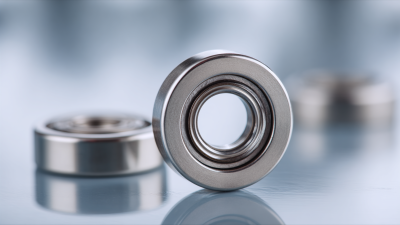
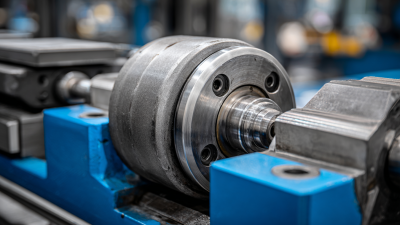
When it comes to car engineering, you really can't underestimate how important Brake Bearings are. These little but mighty parts are crucial—they make sure your vehicle runs smoothly and, most importantly, keep everyone inside safe. I was talking to John Masterson, who’s a chief engineer over at Precision Auto Parts, and he put it pretty nicely: "Brake Bearings are kinda like the unsung heroes of your car’s braking system. They support everything and help cut down friction, so your brakes work better."
As your car hits different terrains and speeds up or slows down, these Brake Bearings have to handle tons of stress and heat. That’s why keeping them in good shape is a big deal — if they fail, it can lead to serious trouble, not just messing with how your car performs but also risking everyone's safety.
So, in this read, we’re gonna dig into what Brake Bearings are, how they work, and why they really matter when it comes to making sure your car's reliable and safe. Knowing how these tiny parts impact your ride is pretty essential, whether you’re a car maker or just someone who wants to stay safe out there on the road.
Brake bearings play a crucial role in maintaining the performance and safety of vehicles. According to the National Highway Traffic Safety Administration (NHTSA), faulty brake components, including bearings, contribute to a significant percentage of traffic accidents, underscoring their importance. Brake bearings facilitate the smooth operation of the brake system, ensuring that deceleration occurs swiftly and efficiently. When brake bearings wear out or fail, they can lead to uneven brake wear, reduced stopping power, and ultimately, a higher risk of collisions.
Regular maintenance of brake bearings is essential not only for vehicle performance but also for the safety of drivers and passengers. The Automotive Aftermarket Suppliers Association (AASA) recommends inspecting brake components, including bearings, at least once a year. Additionally, drivers should be aware of unusual noises or vibrations when braking, which could indicate bearing issues. Ignoring these signs can lead to more severe damage and costly repairs, further emphasizing the bearings' preventive role.
Tips for maintaining your brake bearings include ensuring they are lubricated properly, as inadequate lubrication can cause overheating and premature wear. Additionally, consider having your brake system checked during routine vehicle maintenance to catch any potential issues early on. Proper tire alignment can also reduce stress on brake bearings, prolonging their lifespan and enhancing overall vehicle safety and performance.
Brake bearings play a crucial role in the overall efficiency and safety of a vehicle's brake system. These components facilitate smooth rotation and help in maintaining proper alignment within the braking assembly. By reducing friction between moving parts, brake bearings ensure that the brake calipers and pads engage and disengage seamlessly. This functionality is vital for effective stopping power, allowing drivers to respond promptly to sudden changes in traffic conditions or obstacles on the road.
To maintain optimal performance of your brake bearings, regular inspections are essential. Look for any signs of wear or damage, and listen for unusual noises when the brakes are applied. Additionally, it is important to keep the brake components clean and free from debris, as dirt can lead to premature wear. Regularly replacing any worn parts can greatly improve the longevity and effectiveness of your brake system.
**Tips:** Always ensure that brake fluid is at the recommended level, as this can impact the performance of the bearings. Moreover, consider using high-quality lubricants during maintenance to enhance the smooth operation of the brakes. Finally, if you're unsure about the condition of your brake bearings, seek professional assistance to ensure your vehicle remains safe and reliable on the road.
| Dimension | Details |
|---|---|
| Function | Reduce friction and support rotating components in brake systems. |
| Importance | Critical for effective braking performance and safety. |
| Types | Ball bearings, roller bearings, tapered bearings. |
| Common Issues | Wear, corrosion, contamination, misalignment. |
| Maintenance | Regular inspection and lubrication can enhance longevity. |
| Signs of Failure | Noisy brakes, increased stopping distance, vibrations. |
Brake bearings play a vital role in ensuring your vehicle operates smoothly and safely. They are designed to reduce friction between the rotating parts of the braking system, allowing for efficient braking and prolonged longevity of the components. Common types of brake bearings include roller bearings, which are often found in heavy-duty vehicles due to their strength and ability to handle high loads, and ball bearings, known for their smooth operation and lower friction in passenger vehicles. Each type has its specific applications based on the vehicle's design and intended use.
When maintaining your vehicle, it's essential to inspect the brake bearings regularly for signs of wear and tear. Neglecting them can lead to degraded performance and potential safety hazards. Tips for maintaining brake bearings include checking for unusual noises or vibrations when braking, ensuring they are properly lubricated, and replacing them promptly if they show any signs of damage. Additionally, understanding the different types of brake bearings and their specific applications can help in selecting the right components for your vehicle, contributing to optimal performance and safety on the road.
Brake bearings play a crucial role in your vehicle's overall performance and safety. When these components start to wear out or sustain damage, it can lead to significant issues that affect your driving experience. According to the National Highway Traffic Safety Administration (NHTSA), nearly 30% of vehicle accidents are attributed to brake system failures, underscoring the importance of maintaining your brake systems in top condition.
Signs of worn or damaged brake bearings include unusual noises, such as grinding or squealing, which often indicate that the bearings are no longer functioning properly. Additionally, if your vehicle pulls to one side during braking, it may signify uneven wear in the brake system, potentially caused by faulty bearings. Another crucial indicator is a vibrating brake pedal, which may suggest that the bearings are misaligned or damaged and need immediate attention.
**Tips:** Regularly inspect your brake systems for any signs of wear and tear. It’s advisable to replace brake bearings based on the manufacturer's recommended maintenance schedule or sooner if you notice any unusual behavior. Always consult a certified technician for a thorough inspection if you're experiencing any of these symptoms – prompt action can prevent costly repairs down the line.
Maintaining the brake bearings of your vehicle is essential for optimal performance and safety. Regular inspection is the first step in ensuring these components function properly. Drivers should check for any signs of wear, such as unusual noise or vibration during braking. If you notice these symptoms, it’s vital to have the bearings inspected by a qualified mechanic. Additionally, keeping an eye on the brake fluid level and quality can help prevent issues, as contaminated fluid can lead to bearing damage over time.
Another important maintenance tip is to ensure that the brake bearings are cleaned and lubricated appropriately. Dust and debris can accumulate around the bearings, causing them to work less efficiently. Regularly cleaning the bearings and applying manufacturer-recommended lubricants can significantly extend their lifespan. Furthermore, when replacing brake components, it's crucial to use parts compatible with the existing system to avoid undue stress on the bearings. By adhering to these simple maintenance practices, you can enhance your vehicle's braking system performance and ensure safety on the road.
Brake bearings play a crucial role in a vehicle's overall performance and efficiency, directly influencing handling and safety. These components are essential for the smooth operation of the braking system, allowing the wheels to rotate freely while ensuring that the brakes engage effectively when needed. When brake bearings are in optimal condition, they contribute to a balanced distribution of weight and enhance the stability of the vehicle during braking maneuvers, leading to improved response times and better control.
Moreover, the condition of brake bearings affects the efficiency of the braking system. Worn or malfunctioning bearings can create additional friction, resulting in delayed braking response and increased wear on other brake components. This inefficiency not only hampers vehicle handling but can also lead to higher fuel consumption due to the extra energy needed to overcome the added resistance. Regular maintenance and timely replacement of brake bearings are vital to ensuring that your vehicle operates safely and effectively, ultimately enhancing the driving experience and prolonging the life of the braking system.
Brake bearings play a crucial role in the overall performance and safety of a vehicle, as they are integral components of the braking system. These bearings allow the brake components to move freely while ensuring that they maintain stability. According to the National Highway Traffic Safety Administration (NHTSA), brake-related issues contribute to approximately 22% of all traffic accidents, underscoring the importance of properly functioning brake bearings in preventing brake failure. When bearings are worn out or damaged, they can lead to uneven brake wear, decreased braking efficiency, and ultimately, brake failure.
Moreover, a study by the Automotive Research Institute highlights that regular inspection and maintenance of brake bearings can reduce the risk of accidents significantly. The report indicated that vehicles with well-maintained brake systems, including high-quality bearings, have a 30% lower probability of being involved in a collision compared to those with neglected systems. This vital relationship between brake bearings and vehicle safety emphasizes the necessity for vehicle owners to prioritize the maintenance of their braking systems. By ensuring that brake bearings are in optimal condition, drivers can significantly enhance their vehicle's reliability and safety on the road.
When selecting the right metric inch wheel hub bearing tapered roller bearings, it's crucial to consider their performance characteristics to achieve optimal functionality and longevity. Single row tapered roller bearings are engineered to support both radial and axial loads, but they excel particularly in managing axial forces in one direction. This design feature allows them to provide reliable support in various applications, especially when paired with another tapered roller bearing for handling complex load combinations.
In practical applications, tapered roller bearings are recognized for their ability to withstand significant axial loads while offering ease of installation and maintenance due to their separable inner and outer rings. This convenience becomes essential in scenarios that require frequent changes or repairs. However, it is essential to note that while they can handle heavy loads, their performance at high speeds may be limited. Understanding these characteristics is key to making an informed decision that ensures prolonged bearing life and effective performance under specific operational conditions. Therefore, choosing the right tapered roller bearings tailored to your specific needs is vital for achieving optimal results.
: Common signs include unusual noises such as grinding or squealing, the vehicle pulling to one side during braking, and a vibrating brake pedal.
Brake bearings influence handling by allowing smooth operation of the braking system, ensuring effective brake engagement and contributing to balanced weight distribution, which enhances vehicle stability and response times.
Timely maintenance helps prevent issues like increased friction that can lead to delayed braking response, inefficient vehicle handling, higher fuel consumption, and potential brake failure.
Neglected brake bearings can lead to uneven brake wear, decreased braking efficiency, increased risk of brake failure, and ultimately, traffic accidents.
Regular inspection and maintenance can significantly reduce the risk of accidents, with studies showing that well-maintained brake systems can lower collision probabilities.
It is advisable to consult a certified technician for a thorough inspection and to replace brake bearings based on the recommended maintenance schedule or sooner if unusual behavior is noticed.
Worn or malfunctioning brake bearings can create additional friction that requires extra energy to overcome, leading to higher fuel consumption.
Brake bearings should be inspected regularly as part of routine vehicle maintenance, particularly if any signs of wear or unusual behavior are observed.
Properly functioning brake bearings are critical for braking efficiency and stability, helping to prevent brake failure and significantly lowering the risk of accidents.
Monitor for unusual noises, vehicle pulling during braking, and the condition of the brake pedal to ensure brake bearings are functioning properly.
Brake bearings play a crucial role in the safety and performance of vehicles. They are essential components within brake systems that ensure smooth operation and efficient braking. A clear understanding of their function can help drivers appreciate their significance, as worn or damaged brake bearings can lead to serious safety hazards and reduced vehicle performance. Regular inspection and maintenance of brake bearings are vital for preventing brake failure and accidents, enhancing overall vehicle handling and efficiency.
Common types of brake bearings serve various applications in different vehicles, and it's important for vehicle owners to recognize the signs of wear. Symptoms such as unusual noise or diminished braking power can indicate that brake bearings require attention. By adhering to maintenance tips, drivers can ensure optimal brake bearing performance, ultimately contributing to safer and more reliable vehicle operation.